
The Sheep Detectives: A Movie Review
by Dale Reeves
Story Pastor
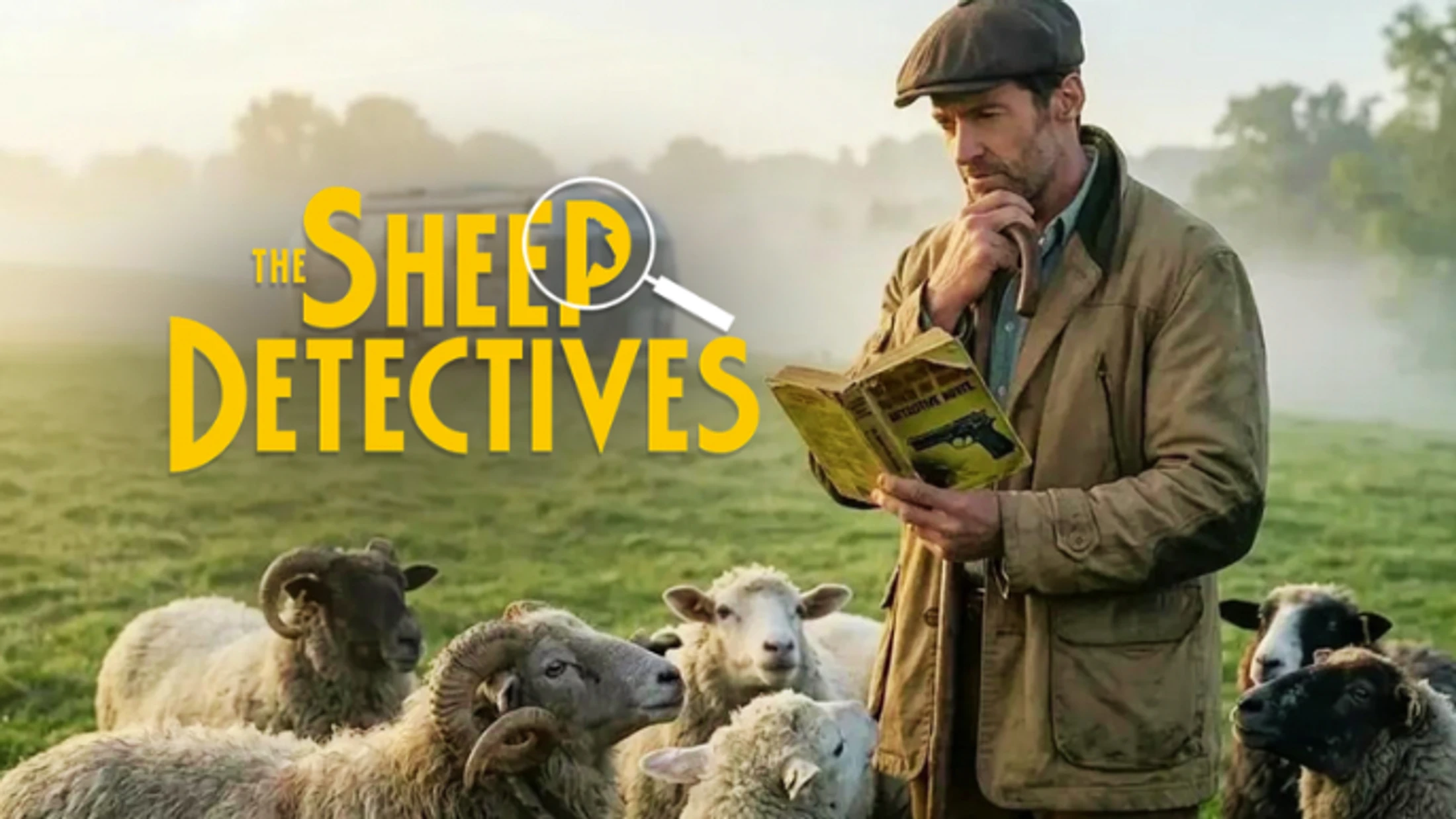
After three days of rain, this past Sunday night seemed like a good time to go to the movies. It was Memorial Day weekend, so I shouldn’t have been so surprised when I pulled into the Regal parking lot to see it fuller than normal. There was a movie I had been wanting to see with my six-year-old grandson Miles—our aspiring zookeeper—along with his parents. The Sheep Detectives stars the brilliant Australian actor Hugh Jackman, who plays the part of shepherd George Hardy, who cares for a bunch of sheep, voiced by Patrick Stewart, Julia Louis-Dreyfus, and many others.
In the movie, at the end of a long day of caring for his flock, George loves to read murder mysteries to his sheep, never suspecting that they can understand him, and that they talk to one another after he is gone. When George is found dead under mysterious circumstances, the sheep decide to solve the crime themselves, even if it means leaving their meadow for the first time and facing the fact that the human world isn’t as simple as it appears in the books George has read to them.
No spoiler alerts here! I won’t reveal any of the clues that led to the murder mystery being solved, but suffice to say there are plenty of redemptive takeaways in this movie that make this film worth your time. Our grandson enjoyed it, though there are a few scenes that were a little sad for him—I won’t elaborate. The movie is very faith- and family-friendly, and I would love to see more films like it released to the public. As my friend Barb Poston shared in her Facebook review of the film, “The movie was clever, sweet, funny, and a bit sad, together leading to a wholesome story of goodness and love. Which of us doesn’t need something like this in our current days?”
Adapted from German author Leonie Swann’s novel, Three Bags Full, the film features plenty of laughs and CGI talking animal antics, but it doesn’t shy away from surprising darkness, gracefully tackling some mature themes such as grief, loss, and the prejudice the herd shows to “winter lambs.” I enjoyed the way the filmmakers gave the members of the flock distinct, lovable personalities, and the visual effects and production design seamlessly integrated the realistic sheep into the idyllic English countryside.
Sheepish Sayings
According to the film’s IMDb page, here are some of the most memorable quotes from the movie:
George: “If there’s one secret to happiness in my life, it’s taking care of the kindest creature on earth: sheep! I keep them well-fed, well-groomed, and each day I read out loud to them: mysteries, whodunnits. I like to pretend they follow along.”
The good shepherd, the great shepherd of his sheep, Jesus, said, “My sheep listen to my voice; I know them, and they follow me” (John 10:27, NLT).
Lily (smartest sheep in the pasture, as they walk by a church): What is this?
Sebastian (a grizzled black wise old ram): This is the church, where someone named God lives.
Lily: Who’s God?
Sebastian: It’s a bit confusing, God is a shepherd.
Mopple (a grounded Merino ram known for his keen memory): So, he could be our shepherd?
Sebastian: No. Because he’s also a lamb.
Lily: What?
Sebastian: And he’s also invisible. And he’s made of bread. And he damns things.
Lily: Dams things? Like a beaver?
Sebastian: Yes.
Lily: So God is a big invisible lamb beaver, made of . . . bread?
Sebastian: Yes. And they eat him on Sundays.
Mopple: Poor God.
So, the sheep may have gotten some of this a bit confused, but Jesus told his followers, “Very truly I tell you, unless you eat the flesh of the Son of Man and drink his blood, you have no life in you” (John 6:53, NIV).
Lily: “Sheep can do things! In fact we can do anything.”
Chief musician and worship leader in the Tabernacle, Asaph, wrote in Psalm 79:13, “We your people, the sheep of your pasture, will thank you forever and ever, praising your greatness from generation to generation” (NLT).
Lily: “Our shepherd was murdered, and we shall solve the crime.”
“I am the good shepherd; I know my own sheep, and they know me,just as my Father knows me and I know the Father. So I sacrifice my life for the sheep” (John 19:14, 15, NLT).
The Winter Lamb
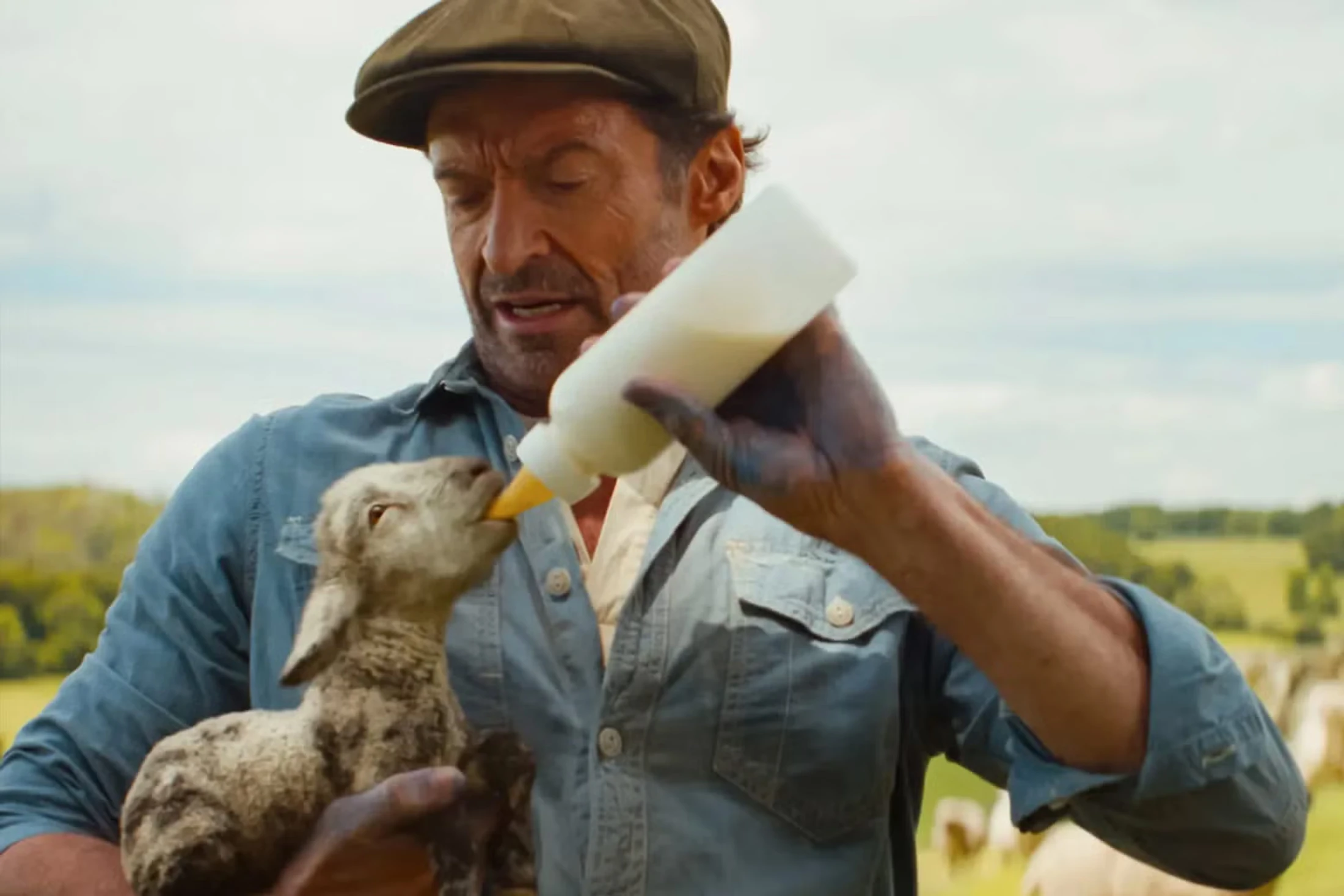
Without revealing too much of the film’s plot for you, if you choose to view this movie, you will be drawn to the tiny “winter lamb,” who because he was born in the harsh cold of winter and not the spring—like the others—is shunned by the flock. The winter lamb parallels the outcast or marginalized individual who might not feel he or she fits in with others in the church. But the good shepherd sets an example for the rest of the flock by embracing the outsider, echoing Jesus’ command to “love one another,” regardless of how unlovely, or different from us they seem to be. At one time or another, all of us may have felt as if we were a “winter lamb.” But remember that we have a Good Good Shepherd who is willing to leave the 99 sheep in the flock to go after the one who has gone astray and feels alone and possibly with no hope of ever coming back into the fold.
Can I ask you a question today:
Do any of your “One Mores” (those in your life in desperate need of a saving relationship with Jesus), feel as if there’s no hope for them ever finding their way and fitting in the church? If so, how is God calling you to be their shepherd?
As we’ve been walking through the apostle Paul’s letter to the Ephesian church in our worship services at Christ’s Church this past month, we’ve been reminded that “Christ brought us together through his death on the cross. The Cross got us to embrace, and that was the end of the hostility. Christ came and preached peace to you outsiders and peace to us insiders. He treated us as equals, and so made us equals. Through him we both share the same Spirit and have equal access to the Father.
That’s plain enough, isn’t it? You’re no longer wandering exiles. This kingdom of faith is now your home country. You’re no longer strangers or outsiders. You belong here, with as much right to the name Christian as anyone. God is building a home. He’s using us all—irrespective of how we got here—in what he is building” (Ephesians 2:16-20, The Message).